Sirolimus (Rapamycin) Therapeutic Drug Monitoring: Your Partner in Transplant Care
Living with a transplant brings both hope and responsibility. We understand the constant concern about whether your medication is working effectively while minimising side effects. The Sirolimus (Rapamycin) test provides the clarity and confidence you need to ensure your transplant journey remains on track.
Understanding Your Sirolimus (Rapamycin) Test
Sirolimus is a crucial immunosuppressant medication that prevents organ rejection after transplantation. However, maintaining the right level in your bloodstream is essential – too little can risk rejection, while too much can cause unwanted side effects. Our advanced LC-MS/MS testing method provides the precision needed to keep your medication levels perfectly balanced.
This test measures the trough level of Sirolimus in your blood, taken 12 hours after your last dose, giving your healthcare team the most accurate picture of how your body is processing this vital medication.
Who Should Take This Test?
This test is essential for:
- Kidney, liver, or heart transplant recipients taking Sirolimus
- Patients experiencing potential side effects like mouth sores, high cholesterol, or kidney function changes
- Those with recent medication adjustments or changes in other prescriptions
- Patients preparing for routine follow-up appointments with their transplant team
- Anyone concerned about their Sirolimus levels affecting transplant health
Why This Test Matters for Your Transplant Health
Regular Sirolimus monitoring provides:
- Peace of Mind: Know your medication is protecting your transplant effectively
- Early Detection: Identify potential issues before they become serious problems
- Personalised Care: Help your doctor tailor your dosage to your specific needs
- Side Effect Management: Reduce the risk of medication-related complications
- Transplant Longevity: Support the long-term success of your transplant
Understanding Your Test Results
Your results will show the concentration of Sirolimus in your blood, measured in nanograms per millilitre (ng/mL). Your transplant specialist will interpret these results in the context of:
- Your specific transplant type and timing
- Your overall health status and other medications
- Any symptoms or side effects you’re experiencing
- Your individual therapeutic range targets
Remember: only your healthcare provider can determine if your levels need adjustment. We provide the accurate data they need to make informed decisions about your care.
Transparent Pricing for Your Peace of Mind
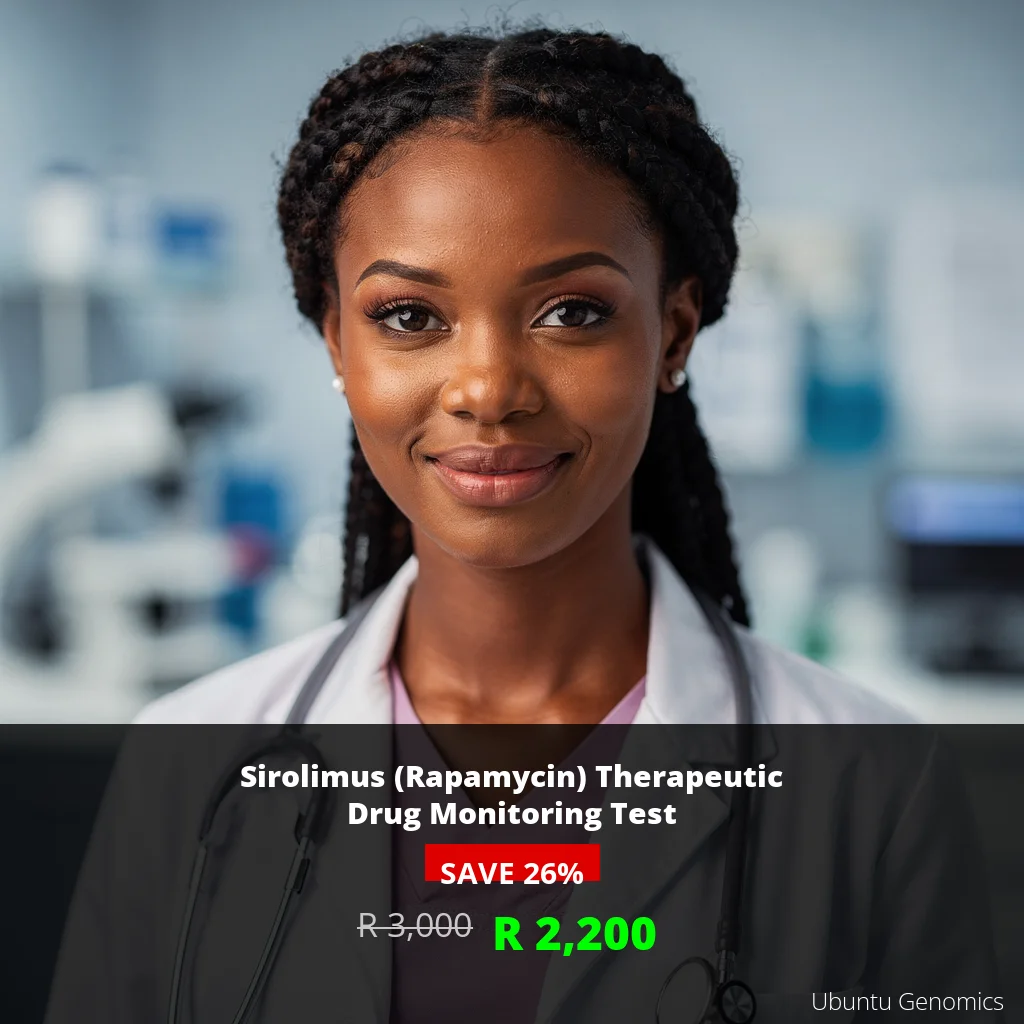
| Service | Regular Price | Special Price | Savings |
|---|---|---|---|
| Sirolimus (Rapamycin) Test | ZAR 3,000 | ZAR 2,200 | ZAR 800 |
This investment in your health monitoring can prevent costly complications and hospitalisations down the line.
Test Details & Preparation
Turnaround Time: Same-day results when sample received by 5 pm
Sample Required: 3 mL whole blood in Lavender Top (EDTA) tube
Critical Preparation: Sample must be taken 1 hour before your next dose (12-hour trough level)
Important: Provide date and time of sampling, plus amount and time of your last dose
Storage: Ship refrigerated – DO NOT FREEZE
Why Trust Oracle Genomics?
- Nationwide Coverage: Accessible testing centres in Johannesburg, Cape Town, Durban, Pretoria and across South Africa
- Medical Expertise: Tests reviewed by specialist nephrologists, gastroenterologists, and surgeons
- Advanced Technology: Gold-standard LC-MS/MS methodology for unparalleled accuracy
- Patient-Focused Care: We understand the unique needs of transplant patients
- Rapid Results: Same-day reporting to support timely treatment decisions
Take Control of Your Transplant Health Today
Don’t leave your medication levels to chance. Regular monitoring is your best defence against transplant complications. Our convenient testing process and rapid results mean you can have the information you need when you need it most.
Limited Time Special: Book your Sirolimus test now for only ZAR 2,200 and take the first step toward confident transplant management.
“Regular monitoring helped us catch my levels before they became problematic. The peace of mind is priceless.” – Satisfied Transplant Patient