Understanding PEX1 Gene Heimler Syndrome: Your Path to Genetic Clarity
When you’re concerned about genetic conditions affecting hearing, vision, or developmental milestones, the uncertainty can be overwhelming. Our PEX1 Gene Heimler Syndrome Type 1 NGS Genetic DNA Test provides the answers you need with compassion and medical precision. For South African families seeking clarity about inherited conditions, this test offers peace of mind through advanced genetic analysis.
What This Test Reveals About Your Health
The PEX1 gene plays a crucial role in peroxisome function – essential cellular structures that process fats and toxins. When mutations occur in this gene, it can lead to Heimler Syndrome Type 1, a rare genetic disorder affecting multiple systems. Our test uses Next-Generation Sequencing (NGS) technology to examine your PEX1 gene with exceptional accuracy, identifying any mutations that could impact your health or your family’s genetic legacy.
Who Should Consider This Genetic Test?
This test is particularly important if you or your child experience:
- Progressive hearing loss beginning in childhood
- Vision problems including retinal abnormalities
- Developmental delays or learning difficulties
- Family history of similar symptoms across generations
- Unexplained enamel defects in teeth
- Planning for pregnancy with family history of genetic disorders
Early detection through genetic testing can help manage symptoms more effectively and provide crucial information for family planning decisions.
Why Early Detection Matters for Your Family’s Health
Understanding your genetic profile empowers you to:
- Make informed decisions about medical management and interventions
- Access appropriate specialist care from ENT doctors and other professionals
- Plan for potential health challenges with confidence
- Provide accurate genetic information for family members
- Reduce anxiety through definitive answers rather than uncertainty
- Access targeted treatments and monitoring strategies
Understanding Your Test Results with Compassion
We know waiting for genetic test results can be stressful. That’s why we provide:
- Clear, easy-to-understand result explanations in plain language
- Professional genetic counselling included with your test
- Personalised recommendations based on your specific results
- Guidance on next steps and specialist referrals if needed
- Ongoing support for questions about your genetic health
Our team ensures you never feel alone in understanding your genetic information.
Transparent Pricing – Exceptional Value for Peace of Mind
| Service | Regular Price | Special Price | Savings |
|---|---|---|---|
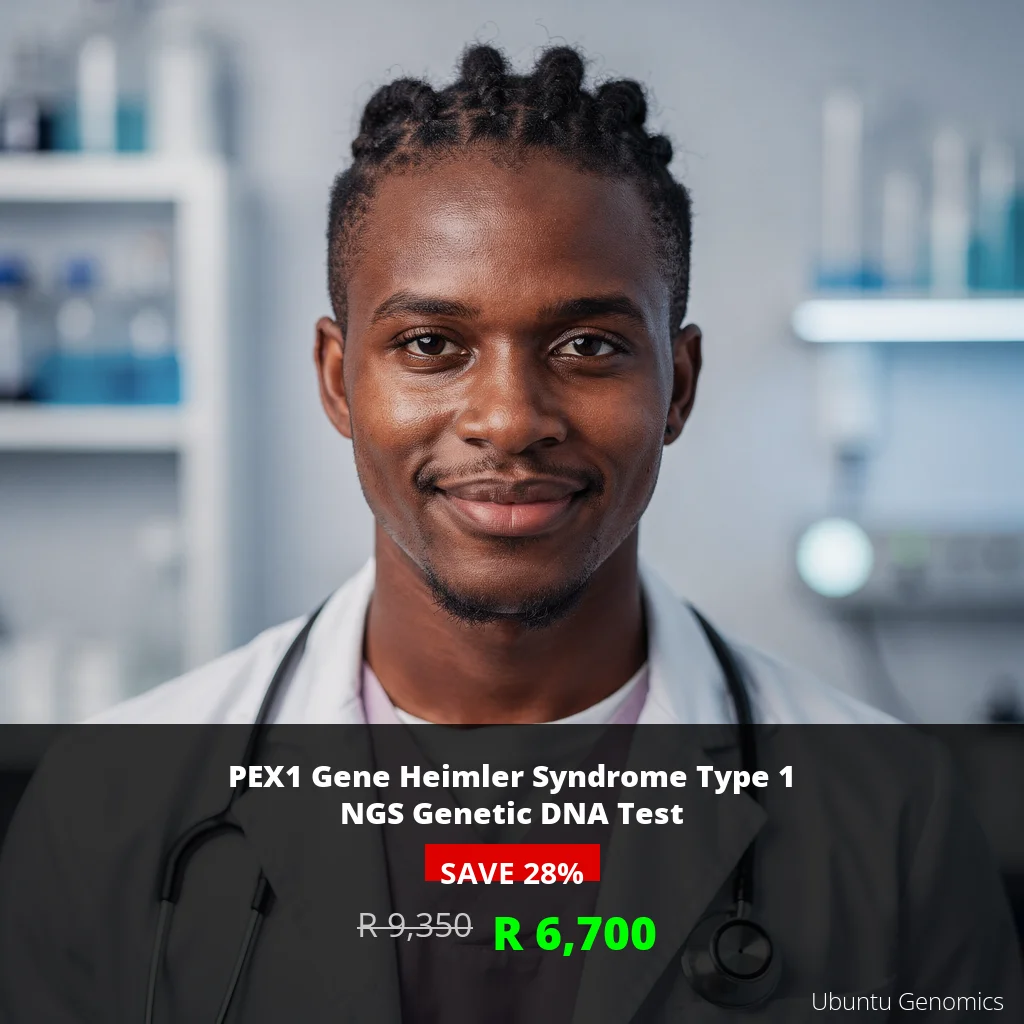
| PEX1 Gene Heimler Syndrome Test | ZAR 9,350 | ZAR 6,700 | ZAR 2,650 |
Your investment includes: Comprehensive genetic analysis using NGS technology, professional genetic counselling session, detailed result interpretation, and ongoing support.
Why South Africans Trust Oracle Genomics
- Nationwide Coverage: Convenient testing available in Johannesburg, Cape Town, Durban, Pretoria and across South Africa
- Medical Expertise: Specialised ENT doctor oversight and genetic counselling
- Advanced Technology: 99.9% accuracy with NGS genetic sequencing
- Multiple Sample Options: Blood, extracted DNA, or simple blood spot on FTA card
- Quick Turnaround: Results in 3-4 weeks with regular updates
- Professional Support: Genetic counsellors help create family pedigree charts
Take the First Step Toward Genetic Clarity Today
Don’t let uncertainty about genetic health concerns create unnecessary stress. Our PEX1 Gene Heimler Syndrome test provides the definitive answers you need to make confident health decisions for yourself and your family.
Limited Time Offer: Save ZAR 2,650 on comprehensive genetic testing. Take advantage of our special pricing while available.
Test Preparation Requirements
Before your test, please bring:
- Complete clinical history of the patient
- Information about family members affected by similar symptoms
- Be prepared for genetic counselling to create a detailed family pedigree chart
Sample collection options: Blood draw, extracted DNA, or simple finger-prick blood spot on FTA card.