
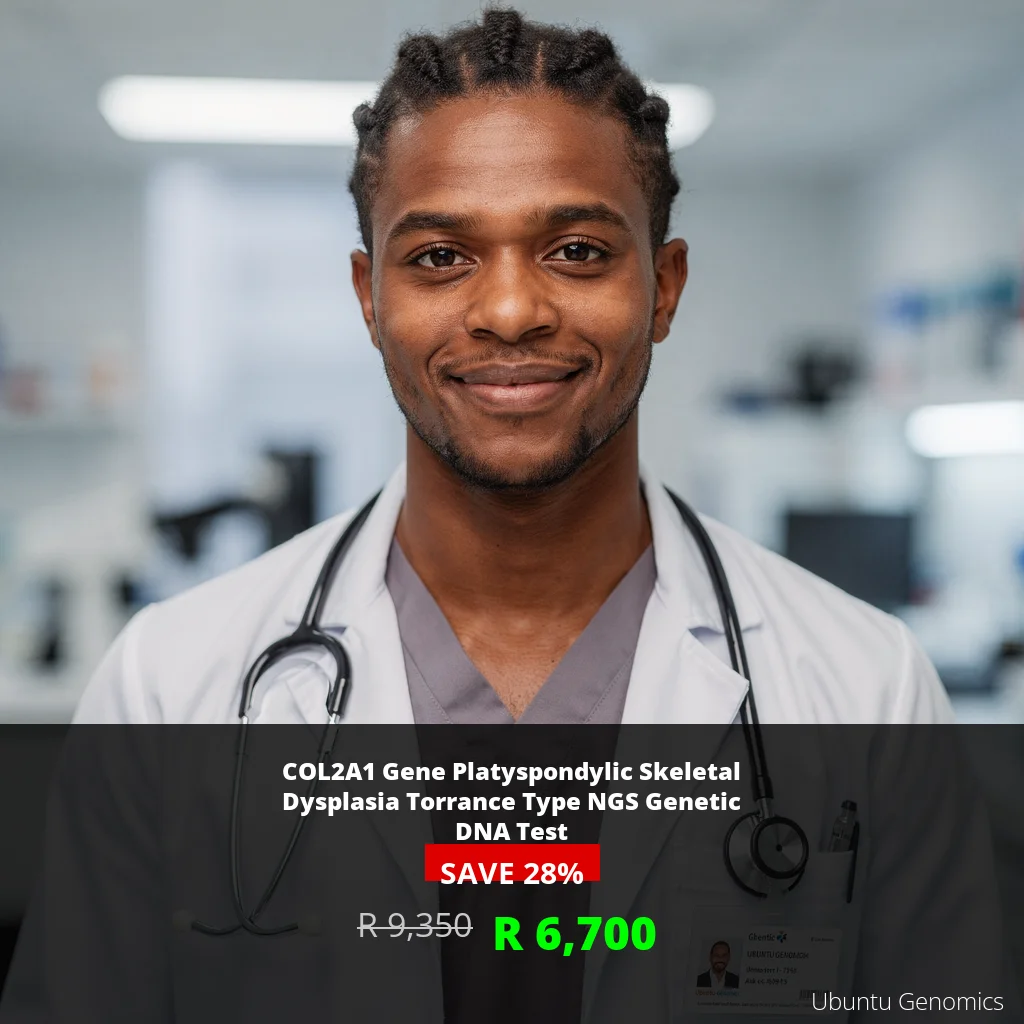


Understanding COL2A1 Gene Skeletal Disorders: Your Path to Clarity and Peace of Mind
When you’re concerned about your child’s skeletal development or have a family history of bone disorders, the uncertainty can be overwhelming. Our COL2A1 Gene Platyspondylic Skeletal Dysplasia Torrance Type NGS Genetic DNA Test provides the definitive answers South African families need to move forward with confidence and appropriate medical care.
What This Test Reveals About Your Child’s Skeletal Health
The COL2A1 gene plays a crucial role in producing type II collagen, the primary protein in cartilage and vitreous humour of the eye. When mutations occur in this gene, it can lead to Platyspondylic Skeletal Dysplasia Torrance Type – a rare condition affecting bone development and growth. Our advanced NGS (Next-Generation Sequencing) technology examines this specific gene with exceptional precision, identifying even the smallest genetic variations that could impact your child’s skeletal health.
Is This Test Right for Your Family?
Consider this genetic test if your child shows:
- Unusual short stature or disproportionate growth patterns
- Abnormal spinal development or flattened vertebrae (platyspondyly)
- Family history of skeletal dysplasia or bone development disorders
- Delayed motor milestones or mobility challenges
- Previous inconclusive skeletal assessments
Many South African parents find relief in having clear genetic information to guide their child’s healthcare journey.
Why Early Genetic Understanding Matters for Your Child’s Future
Receiving a definitive genetic diagnosis provides multiple life-changing benefits:
- Targeted Medical Management: Guide appropriate interventions and treatments
- Family Planning Insights: Understand inheritance patterns for future children
- Reduced Diagnostic Uncertainty: End the cycle of inconclusive tests and appointments
- Early Intervention Opportunities: Implement supportive therapies at optimal times
- Emotional Peace: Replace anxiety with understanding and proactive planning
Understanding Your Results: Clear Guidance Every Step
We know genetic test results can feel overwhelming. That’s why our process includes comprehensive genetic counselling both before and after testing. Your results will clearly indicate:
- Presence or absence of COL2A1 gene mutations
- Specific genetic variations identified
- Clinical significance of any findings
- Personalised recommendations for next steps
- Family inheritance implications
Our genetic counsellors are available to help you understand what your results mean for your child’s health and your family’s future.
Transparent Pricing – Exceptional Value for Peace of Mind
| Service | Regular Price | Special Price | Savings |
|---|---|---|---|
| COL2A1 Gene Test with Genetic Counselling | ZAR 6,700 | ZAR 2,650 |
Price includes: NGS genetic testing, pre-test genetic counselling session, pedigree chart creation, comprehensive results report, and post-test counselling consultation.
Why South African Families Trust Oracle Genomics
Nationwide Accessibility
Convenient testing locations across Johannesburg, Cape Town, Durban, Pretoria and major centres
99.9% Accuracy Guarantee
Advanced NGS technology ensures reliable, precise results you can trust
Expert Genetic Counselling
Professional guidance throughout your testing journey
Rapid Turnaround
Results typically within 3-4 weeks from sample collection
Simple Sample Collection Process
We offer multiple convenient sample options:
- Blood Sample: Collected at our partnered medical facilities
- Extracted DNA: If you have previous genetic material
- FTA Card: Simple finger-prick blood spot collection
Our genetic counselling session helps prepare your clinical history and family pedigree before testing.
Take the First Step Toward Genetic Clarity Today
Don’t let uncertainty about your child’s skeletal health create unnecessary stress. With our special ZAR 6,700 pricing and comprehensive support, you can get the answers you need to make informed healthcare decisions.
Limited Time Offer: Special ZAR 6,700 pricing available for the next 30 days. Early detection can significantly impact treatment outcomes and quality of life.