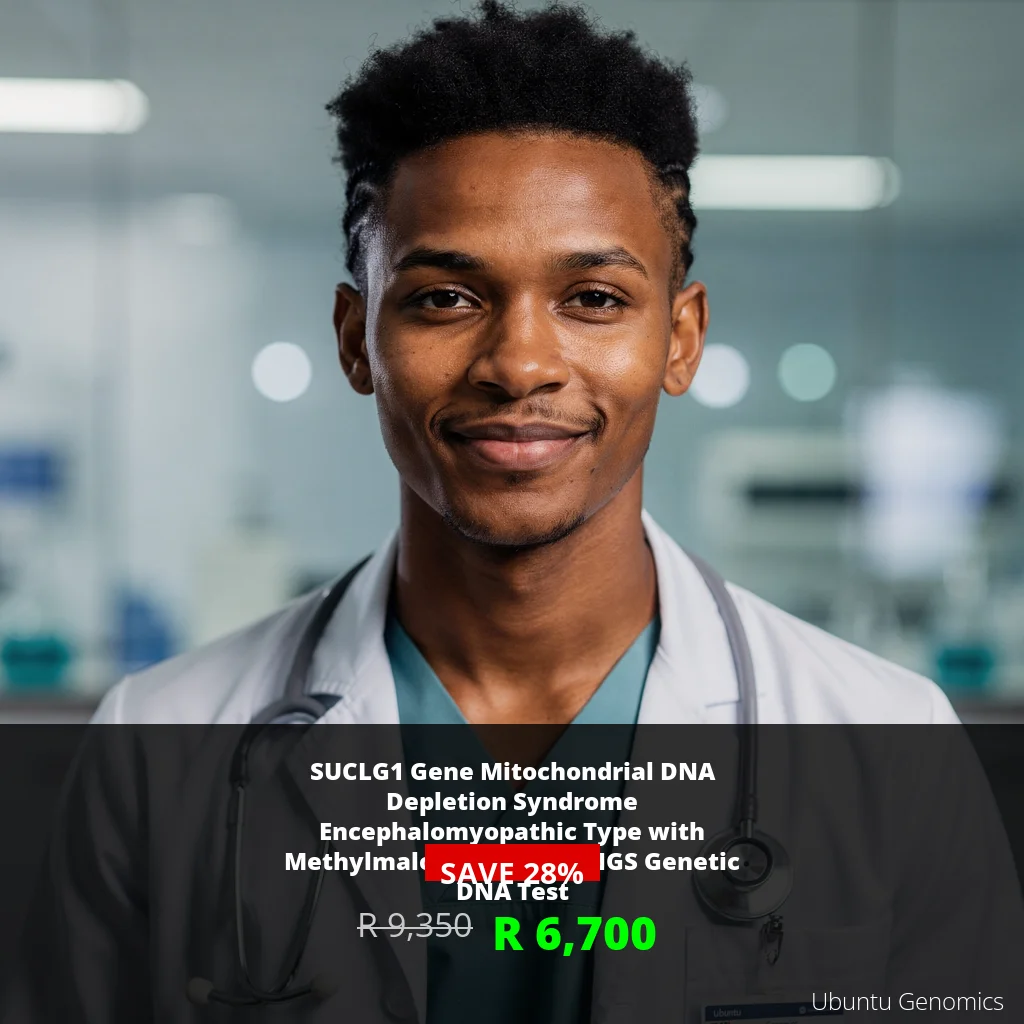


Find Answers for Unexplained Neurological Symptoms with SUCLG1 Gene Testing
When your child or family member experiences mysterious neurological symptoms, muscle weakness, or developmental delays, the uncertainty can be overwhelming. Our SUCLG1 Gene Mitochondrial DNA Depletion Syndrome test provides the clarity you need through cutting-edge genetic technology. We understand the emotional journey you’re facing, and we’re here to guide you every step of the way with compassion and medical expertise.
Understanding Your SUCLG1 Genetic Test
This specialised test examines the SUCLG1 gene using Next Generation Sequencing (NGS) technology to identify mutations that cause mitochondrial DNA depletion syndrome. This rare condition affects energy production in cells, leading to neurological and muscular symptoms combined with metabolic abnormalities (methylmalonic aciduria). Our test provides definitive answers about whether these specific genetic changes are present, helping your medical team develop the most effective treatment plan.
Who Should Consider This Genetic Test?
This test is particularly important if you or your family members experience:
- Unexplained muscle weakness or poor muscle tone in infants
- Developmental delays or regression in motor skills
- Seizures or neurological abnormalities
- Feeding difficulties and failure to thrive
- Family history of mitochondrial disorders
- Metabolic abnormalities detected in blood tests
- Unexplained liver dysfunction in childhood
Early detection through genetic testing can significantly impact treatment outcomes and quality of life.
Why Early Detection Matters for Your Family’s Health
Getting answers through genetic testing provides numerous benefits:
- Peace of Mind: End the uncertainty about mysterious symptoms
- Accurate Diagnosis: Move beyond symptom management to targeted treatment
- Family Planning: Understand inheritance patterns for future generations
- Personalised Care: Enable your medical team to create specific treatment strategies
- Early Intervention: Access appropriate therapies and support services sooner
Understanding Your Test Results
We know waiting for genetic results can be anxiety-provoking. Our genetic counsellors will walk you through your results with compassion and clarity:
- Positive Result: Confirms the presence of SUCLG1 mutations – our team will connect you with specialist neurologists and create a comprehensive care plan
- Negative Result: Rules out this specific mitochondrial disorder – we’ll help explore other potential causes for symptoms
- Uncertain Variant: Sometimes we find genetic changes of unknown significance – we provide ongoing monitoring and research updates
No matter your results, you’ll never face them alone. Our support continues long after testing.
Transparent Pricing – No Hidden Costs
| Service | Regular Price | Special Price |
|---|---|---|
| SUCLG1 Gene NGS Test | ZAR 6,700 | |
| Genetic Counselling Session | INCLUDED | |
| Family Pedigree Analysis | INCLUDED | |
| Results Interpretation | INCLUDED | |
Turnaround time: 3-4 weeks | Sample: Blood, Extracted DNA, or Blood on FTA Card
Why Thousands of South Africans Trust Oracle Genomics
- Nationwide Coverage: Accessible testing in Johannesburg, Cape Town, Durban, Pretoria and across South Africa
- Medical Expertise: Tests supervised by specialist neurologists and geneticists
- 99.9% Accuracy: Advanced NGS technology ensures reliable results
- Comprehensive Support: Genetic counselling included with every test
- Proven Track Record: Thousands of successful genetic diagnoses
Take the First Step Toward Answers Today
Don’t let uncertainty about neurological symptoms continue to cause worry. Our genetic testing team is ready to help you understand your family’s health with compassion and expertise.
Limited Time Offer: Special pricing of ZAR 6,700 available for immediate bookings. Early detection can make all the difference in managing mitochondrial disorders effectively.
“The clarity we gained from genetic testing transformed our approach to our daughter’s care. We finally had answers after years of uncertainty.” – Previous Patient Family